Graham Nessler
I'm Graham Nessler, an AWS-certified infrastructure and AI engineer building intelligent systems at scale. By day, I architect, secure, and optimize cloud infrastructure at a major healthcare company. By night, I'm prototyping AI agents, contributing to open source, and exploring the intersection of history and technology.
Over the past two years, I've delivered measurable impact across security, infrastructure, and automation:
- Remediated 90+ security vulnerabilities across AWS infrastructure, including numerous high-priority threats
- Executed 340+ zero-downtime configuration changes maintaining 99.9%+ uptime in production
- Saved thousands in operational costs through S3 optimization and automated resource management
- Resolved 90+ Prisma Cloud violations ensuring SOC 2 compliance for critical healthcare systems
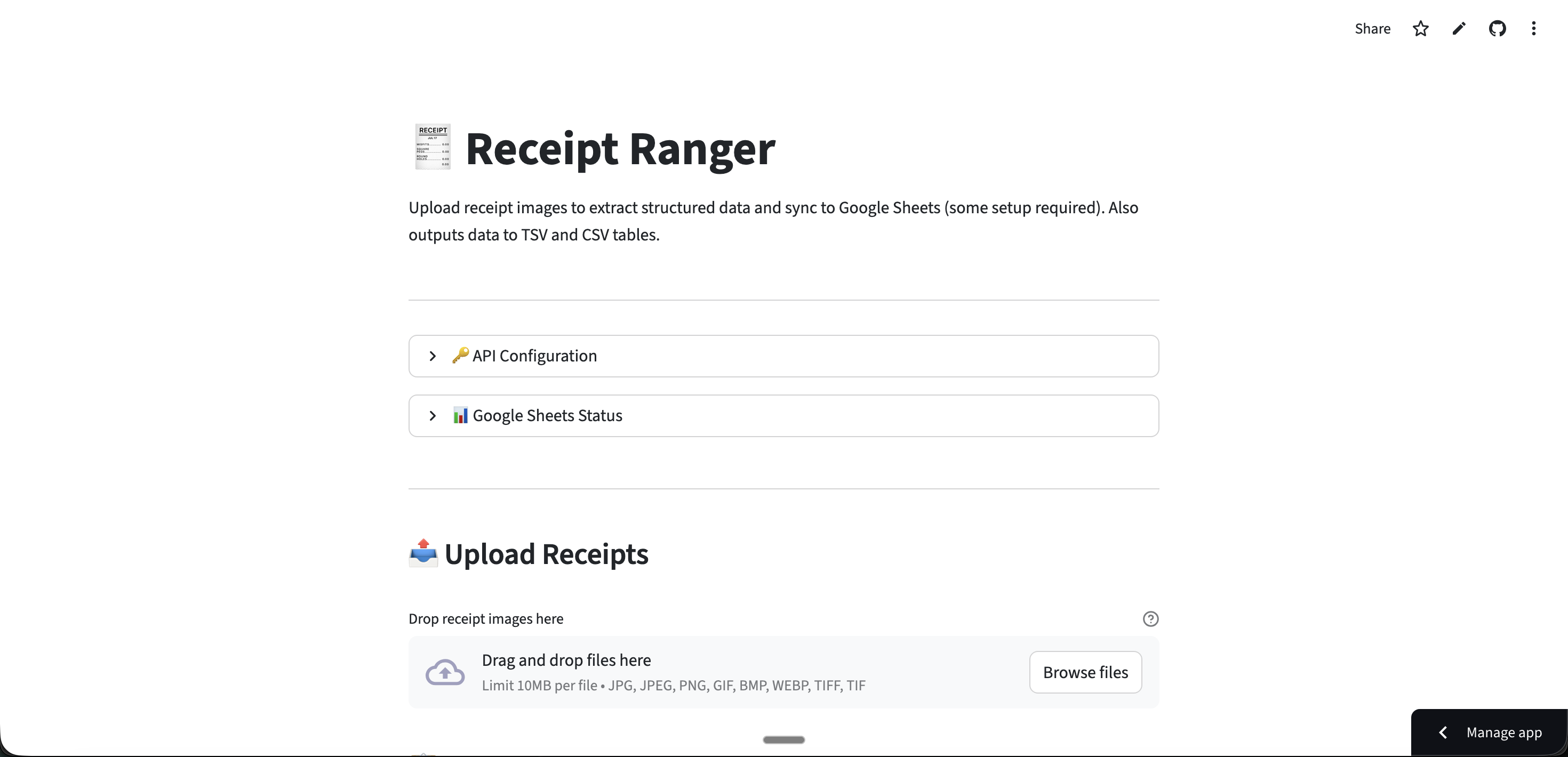
- Built automated solutions including RDS snapshot lifecycle management and security auditing tools
For detailed work accomplishments, see the Work Accomplishments section.
Based in San Antonio, Texas, I'm an active member of Alamo Tech Collective, where we're building a thriving, inclusive tech community. My journey into tech began at Turing School's second front-end cohort, a transformative program that launched thousands of careers. Since then, I've evolved into full-stack development, earned my AWS Solutions Architect certification, and specialized in infrastructure engineering and AI systems.
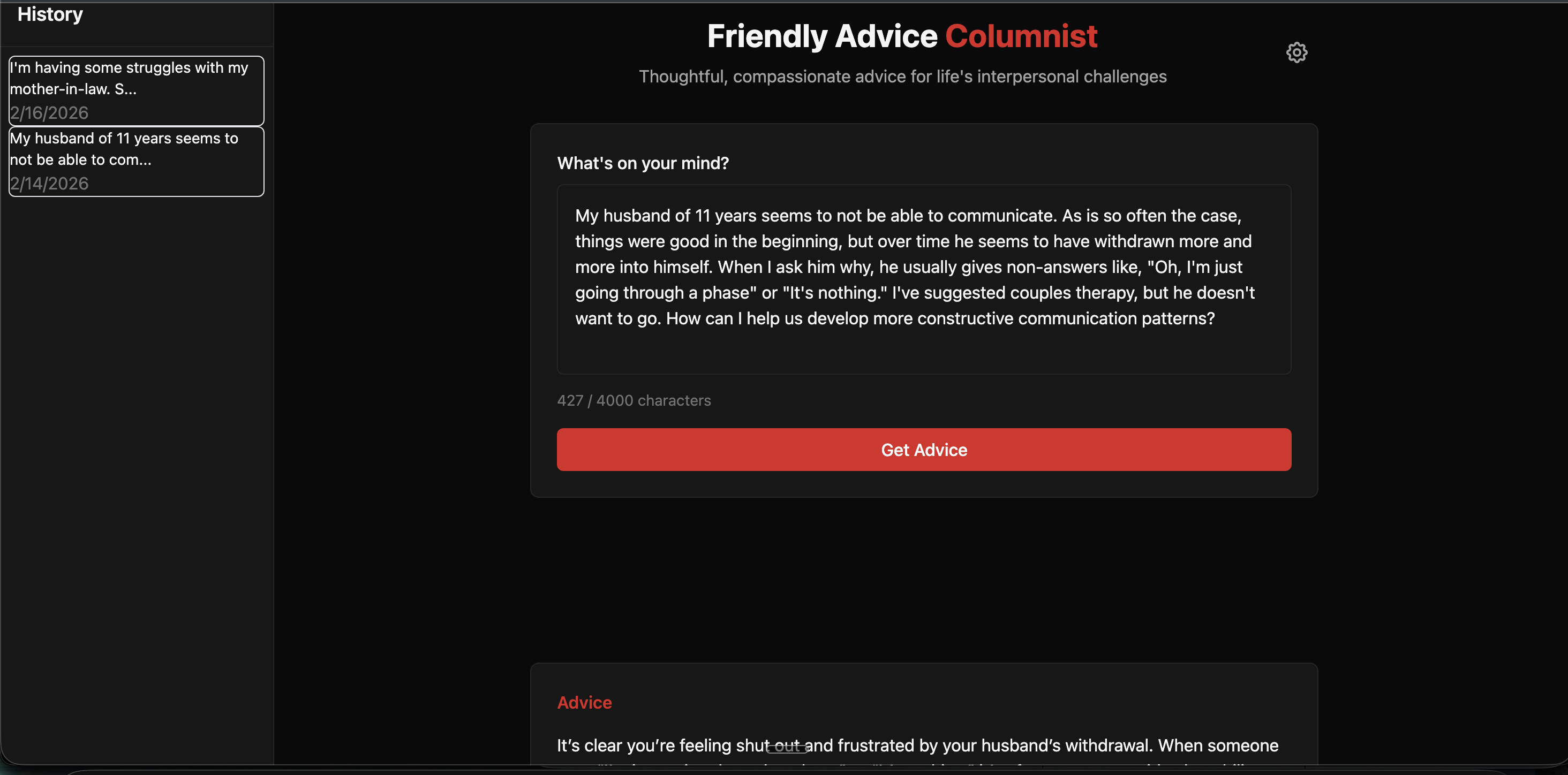
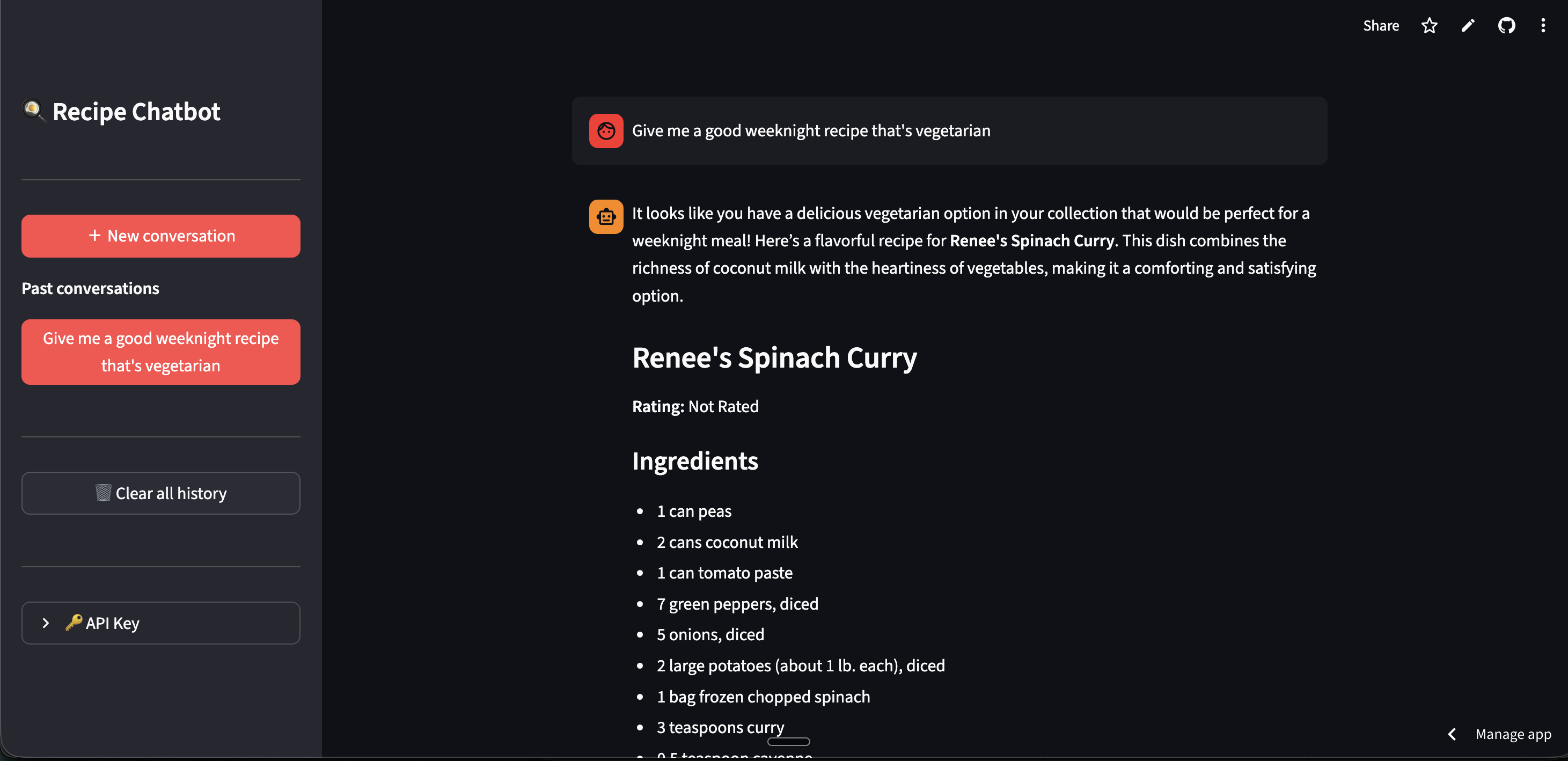
My current focus areas include AI agent orchestration, cloud architecture, infrastructure automation, and practical applications of LLMs. I believe deeply in the values that drive communities like Alamo Tech Collective and Turing: inclusiveness, collaboration, mutual respect, and low hierarchy. Technology is stronger when diverse voices shape it.

From the Classroom to the Cloud
My path to tech was unconventional. Before Turing, I was a history scholar and university instructor. I wrote an academic book on revolution and slavery in the Caribbean and taught courses spanning U.S. history, Ancient Rome, and Latin America. The transition to tech offered what academia couldn't:
- Career stability and clear growth trajectory
- A field that values expansive knowledge more than over-specialization, and where stagnation and complacency are not an option
- Geographic flexibility and remote work opportunities
- The chance to build things that solve real problems
As AI reshapes our industry, I believe adaptability and intellectual curiosity matter more than ever. History taught me to think critically about systems, power, and change, skills that transfer directly to designing robust, ethical technology. When I'm not building or learning, I'm traveling internationally, maintaining fluency in French and Spanish, and spending time with my wife and her family.